Delivering Measurable Advertising Results
In today's environment, advertising is an essential component of almost every business's growth strategy. Advertising is the art and science of connecting your brand, product, or service with the right people at the right time, in the right way.
From fostering essential brand awareness to driving website traffic, measurable (lead generation) conversions, an effective advertising campaign is business growth engine.
With digital channels now accounting for 73% of worldwide ad investment, understanding the multifaceted world of advertising is more critical than ever. This comprehensive guide will navigate you through the strategic foundations, diverse ad formats, powerful platforms, sponsored content and cutting-edge approaches that define modern advertising, ensuring we're able to exceed your marketing goals and business objectives.

Building Trust with Your Target Audience
At the very heart of any successful advertising strategy lies the critical ability to accurately identify and effectively educate your target audience. Whether you are a healthcare provider seeking new patients or a traditional business aiming to attract clients, this process goes far beyond basic demographics. It requires understanding the psychographics, specific needs, pain points, and informational requirements of potential patients and clients.
By delving into these rich insights, we help organizations craft tailored campaigns designed not only to capture attention but also to build trust and establish credibility. Creating detailed customer profiles allows for a more nuanced approach to content creation, ensuring that advertisements are not only relevant and engaging but also genuinely informative. This is essential for attracting new business enrollments through platforms like Google Ads, boosting professional recruitment efforts, or driving event registrations. For example, utilizing LinkedIn Ads allows for precise targeting based on job title and industry, ensuring your educational content reaches the most relevant professional audience.
Leveraging Digital Channels for Marketing
The digital marketing landscape has undergone a significant transformation, shifting towards a more holistic, AI-enhanced, and customer/patient-centric approach. Effective advertising now relies on a strategic blend of personalized content, multi-channel marketing, and clear, educational messaging.
One of the most impactful ways to enhance engagement involves utilizing targeted online ads tailored to the customer's specific needs or interests. This personalized strategy elevates customer/patient-focused interactions, building trust and strengthening connections through engaging Sponsored Content.
Digital channels offer unparalleled opportunities to reach individuals precisely when they are seeking information or considering options. Whether through search engine marketing, social media engagement via LinkedIn advertising, or programmatic placements across the web, a well-integrated digital strategy ensures your message cuts through the noise. This approach is crucial for achieving various marketing goals, from increasing brand awareness to driving lead generation.
Better Platforms for Ad Placement
Selecting the right ad platform is paramount for maximizing the impact of your advertising efforts. Advanced platforms provide us with granular control over ad campaigns, offering invaluable insights into our target audience's interaction and enabling rapid, data-driven adjustments. By leveraging machine learning algorithms and sophisticated targeting capabilities, these platforms optimize ad placement to ensure your message reaches the intended professional audience or demographic effectively.
These tools go beyond simple reach, facilitating deeper engagement and allowing for precise audience segmentation based on a variety of criteria. For instance, LinkedIn's ad platform allows targeting based on company name, industry, and job title, making it ideal for B2B marketing and professional recruitment. The ability to analyze real-time performance data and make informed optimizations directly impacts conversion rates and overall campaign ROI. Investing in robust ad management tools and platforms is a key step towards achieving superior advertising outcomes.
Harnessing Google's Pay-Per-Click (PPC / Text Ads) & Performance Max for Business Growth
Google's Pay-Per-Click (PPC) and Performance Max campaigns are instrumental in today's modern advertising strategy, offering powerful avenues for expanding reach and significantly improving patient acquisition. These campaign types are designed to drive website traffic, enhance brand awareness, and generate valuable lead generation opportunities.
The precision targeting capabilities inherent in Google's Text Ads allow us to reach users actively searching for specific services or information, ensuring that ad spend directly correlates with identified marketing goals.
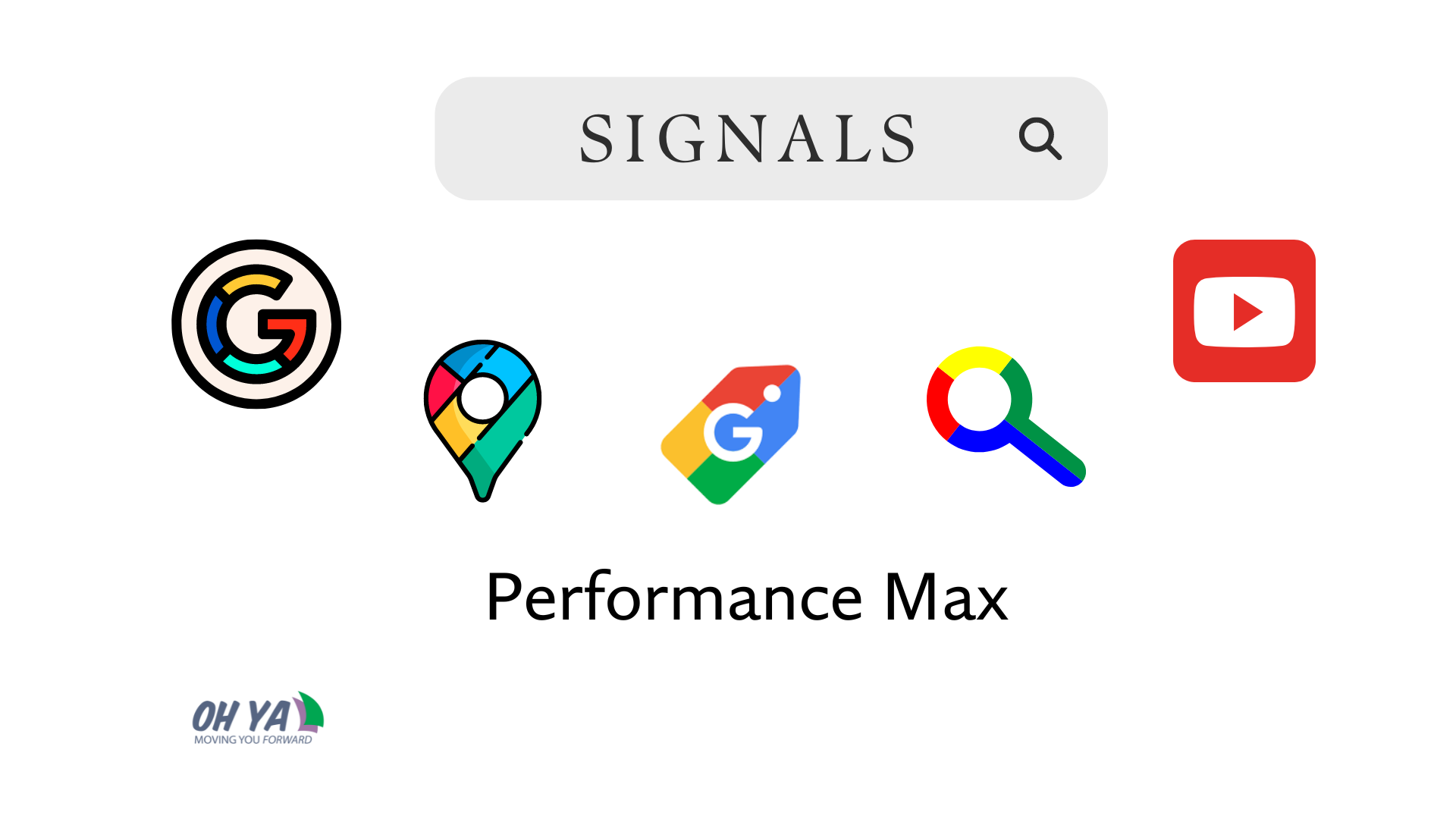
Performance Max campaigns further enhance this by leveraging AI to automate ad and content delivery across Google's entire network – Search, Display, YouTube, Discover, Gmail, and Maps – optimizing for conversions based on predefined campaign objectives. This holistic approach ensures that your message appears where and when potential patients are most likely to engage, driving measurable results and a strong campaign ROI.
Compelling Content
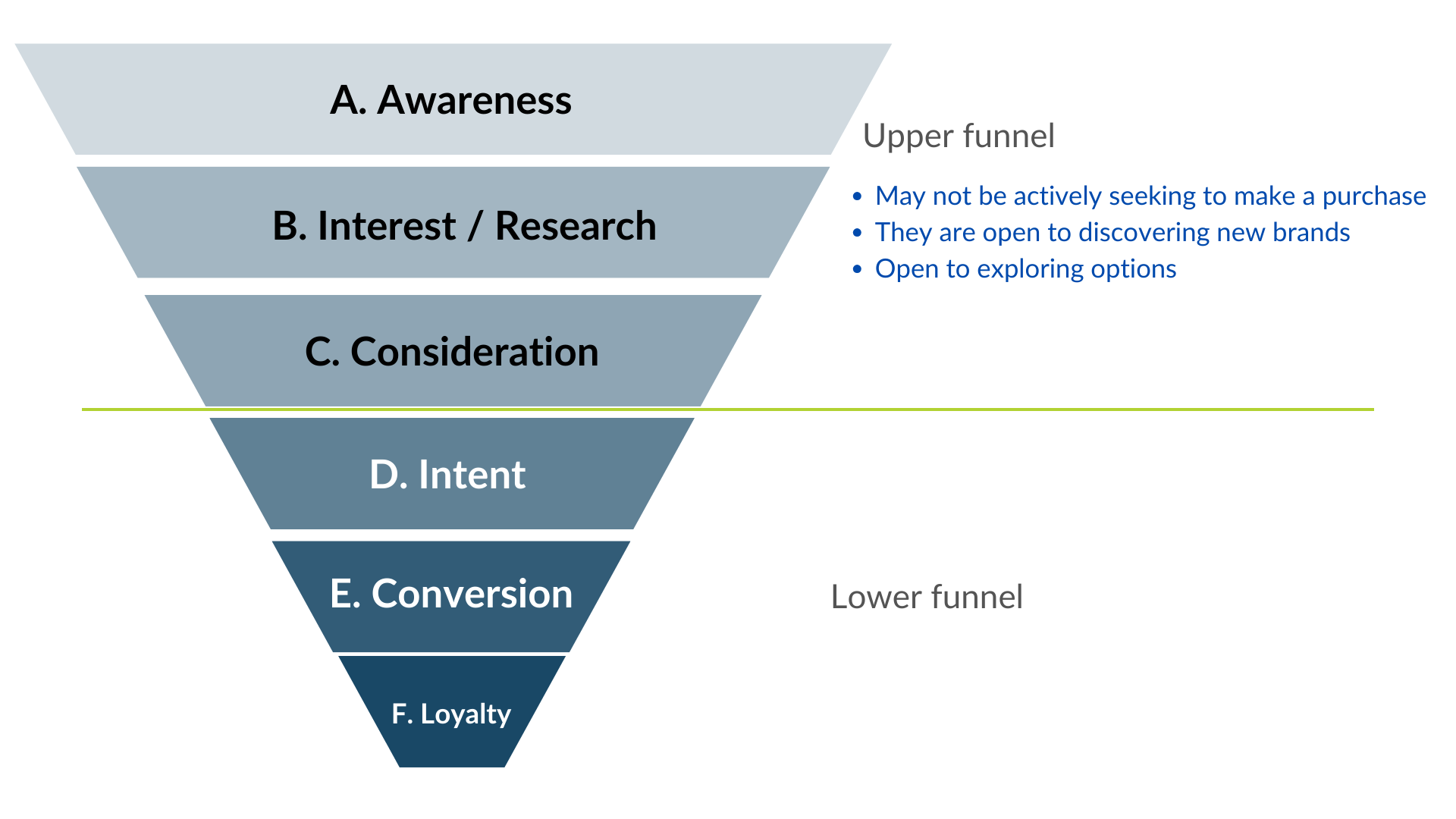
Crafting engaging and educational content is not merely a complementary activity to advertising; it is the very foundation upon which successful modern campaigns are built. This content must maintain authenticity through clear, accurate messaging, while also being accessible and relatable to a diverse audience. High-quality, relevant content provides tangible value to potential patients, persuading them to engage further with your services and moving them through the customer journey.
Consider the power of Video ads: Testimonials from satisfied customers/patients offer authentic, real-life experiences and outcomes, building immense trust and credibility. These stories provide potential prospects with relatable insights into the quality of care and services provided. This content not only educates but also humanizes your brand.
Display ads are a popular form of online advertising that utilize visual elements such as images and graphics to capture the attention of internet users. They often appear on websites, social media platforms, and mobile apps in various shapes and sizes, including banners, square tiles, and interactive multimedia formats. The primary goal of display ads is to raise brand awareness, drive traffic to a website, or promote specific products and services. With the ability to incorporate rich media and interactive features, display ads offer a dynamic way to engage audiences and often part of a multi-channel comprehensive digital marketing strategy.
Sponsored Content in the form of detailed articles, infographics, and downloadable reports can establish your company as a thought leader. The goal is to provide value that educates, informs, and ultimately persuades the target audience to take the desired action which in most cases is a digital conversion that we can measure.
If you don't have these assets, I will work with your graphic designer or video team to design and produce the best content for your business.
Social Network Advertising
While there's a recognized evolution in advertising spend across platforms, social networks, particularly leading platforms like LinkedIn Ads and Meta, continue to offer opportunities for engaging with key audiences. Social network advertising involves creating sponsored content that is delivered to users when they are actively engaged with the platform. These platforms offer unique capabilities for building brand awareness, fostering community, and driving specific actions.
For businesses, especially those focused on professional and clinical recruitment, using dynamic ads on platforms like LinkedIn advertising provide unparalleled access to a highly engaged professional audience. Through LinkedIn Ads, companies can target users based on detailed LinkedIn profile data, including their company name, job title, industry, seniority, and skills.
This granular targeting is invaluable for B2B marketers aiming for precise lead acquisition. LinkedIn's ad platform supports various ad formats, including Sponsored Content, Sponsored Messaging, Message Ads, and Dynamic Ads, allowing for tailored approaches to reach specific segments of the professional audience. Furthermore, LinkedIn Lead Gen Forms streamline the lead generation process directly within the platform.
Understanding Programmtic Advertising
Programmatic advertising represents a fundamental shift in how digital ad spaces are bought and sold, moving from manual negotiations to automated, data-driven transactions. Simply put, programmatic advertising means using software to automate the process of delivering ad placements to specific audiences. This sophisticated approach allows me to place ads in front of highly targeted individuals as they navigate the web, whether they are visiting news sites, entertainment platforms, or using mobile apps.
We're able to achieve granular control over our campaigns, targeting specific demographics, interests, and behaviors with remarkable precision. This methodology offers significant advantages, including greater efficiency, more targeted marketing reach, transparency, and real-time measurement and optimization. Programmatic Advertising can complement other strategies like PPC, ensuring your message reaches users across a wider digital ecosystem, driving brand awareness and supporting various marketing goals.
Personalizing Engagement with AI
In an era defined by data, Artificial Intelligence (AI) is revolutionizing how brands engage with their audiences. AI transforms raw customer data into hyper-personalized communications, driving significantly better engagement rates and delivering measurable results. The modern business landscape demands a more sophisticated approach to customer engagement than ever before.
AI and advanced data analytics have emerged as transformative forces, enabling brands to move beyond generic, one-size-fits-all messaging towards hyper-personalized communication strategies. By leveraging AI, organizations can gain profound, granular insights into customer demographics, behaviors, and evolving preferences. This deep understanding allows for the creation of highly targeted ad campaigns that resonate directly with the specific needs and motivations of individuals. For instance, analyzing vast amounts of customer data at scale can rapidly identify the most effective ad platforms and messaging that will appeal to a specific target audience, thereby improving conversion rates and overall campaign ROI. This AI-driven personalization is a cornerstone of modern advertising leader strategies.


How We Charge For Our Services
We understand that transparency in pricing is critical for building trust and making informed decisions. Our pricing structure is designed to be clear, accessible, and straightforward, ensuring you know exactly what you are paying for and how much it will cost. We believe in eliminating hidden fees and surprises, allowing you to feel confident in your investment.
I charge $995 a month to manage all of your advertising campaigns. This flat rate covers our building and reporting of an unlimited number of campaigns across Google, LinkedIn, Meta and Programmatic platforms. As an advertising leader, our goal is to provide comprehensive ad management services that deliver significant campaign ROI.
As a freelancer, I generally only work with ten (10) clients at a time so please check with me to see if I have capacity to take on your account. Our standard agreement is a 12-month retainer. This allows us to deploy strategies and use continual optimization to improve results over time.
For marketing-related projects outside of managing your campaigns, I charge a rate of $125/hour for my time. This transparent model allows us to support a wide range of marketing goals.
Let’s Connect
Are you ready to discuss your business goals? Fill out the form and we’ll schedule an introduction call. I look forward to meeting you!
Google Certified Partner
How to Optimize Your Search Engine Marketing Strategy
Increase visibility and reach millions of potential customers online by optimizing your above-the-fold (ATF) content in search results. Search Engine Marketing, or SEM, is a digital marketing strategy that aims to enhance a website's visibility in search engine results pages through paid advertising. SEM involves utilizing tactics like pay-per-click advertising, keyword research, and ad targeting to generate qualified traffic. Additionally, SEM reviews destination content to ensure it aligns with customer expectations and optimizes the content journey to improve conversions.
By utilizing SEM, businesses can effectively reach their target audience, increase brand awareness, and generate valuable leads and conversions. This versatile and cost-effective marketing approach offers businesses the opportunity to compete in the highly competitive online marketplace and maximize their online presence.
What is the SEM Process?
Search engines utilize algorithms to assess the ranking of SEM ads and ascertain their relevance in search results. Paid search engine marketing focuses on strategically devising a marketing strategy, bidding on keywords with high value, and consistently enhancing search advertising tactics through analytical insights to optimize ad spending and increase profitability. In order to surpass competitors, our search engine marketing agency employs a systematic approach to search advertising.
I use advanced keyword research tools, such as Google Search Console, to analyze search terms and exclude negative keywords that are not cost-effective for your search advertising budget.
I creates ads and landing pages based on your target keywords. These ads will be displayed in search results and linked to optimized landing pages. The objective is to capture your target audience's search intent and guide them towards making a purchase.
During the Account Setup and Tracking phase, it is important to understand the effectiveness of your search engine marketing strategy. I conduct a lead-tracking report to determine if the search engine supports conversion tracking. We also verify that the codes are correctly installed on your landing pages.
You have optimized paid search marketing ads, designed landing pages, and created a search engine marketing strategy. Now you are ready to launch your PPC search engine marketing campaign. I will closely monitor your ad performance once the campaign is launched.
Evaluating and analyzing campaign results is important for measuring SEM success. I track and evaluate KPIs like CTR, Quality Score, search impression share, and cost per conversion. The analytics results help me optimize the campaign so that we are generating more conversions at lower costs over time.
After understanding the concept and functioning of search engine marketing, the next important consideration is to evaluate the value of SEM PPC for your investment.
Search Engines: Explained
A Search Engines main purpose is to help users find the most relevant and important web pages related to their search queries. Popular search engines include Google, Bing, Yahoo, and DuckDuckGo.
Search engines work by using web crawlers to index and analyze web pages, storing information about the content and keywords. This data is then used to rank the pages based on their relevance and importance to provide users with the most accurate results for their search queries.
The concept of search engine algorithms plays a crucial role in determining search results. Algorithms are complex sets of rules and calculations used by search engines to determine the ranking of web pages based on various factors such as keyword density, backlinks, and quality of content. These algorithms are constantly updated and refined to ensure that users receive the most relevant and useful results.
In summary, search engines serve the purpose of helping users find information on the internet by indexing and ranking web pages based on their relevance and importance, utilizing algorithms to provide the most accurate search results. Popular examples of search engines include Google and Bing.
Measurable Results
Search engine marketing campaigns can be measured by tracking key performance indicators (KPIs), such as click-through rate (CTR), cost per click (CPC), and cost per conversion. Tracking these metrics will allow us to identify what areas of your campaign are succeeding and where improvements may be needed. Additionally, we’ll use analytics to track the performance of specific keywords or ad groups, so that we can focus on optimizing those elements for better results.
SEM Improves Organic Search Results
93 percent of online experiences start with a search engine. This suggests that optimizing your search visibility can place your brand in front of a large percentage of your customers. By understanding SEM and utilizing it effectively, you can attract more organic website traffic from search engines.
Artificial Intelligence in SEM
Search Engine Marketing (SEM) is a digital marketing strategy that involves promoting websites and increasing their visibility in search engine results pages through advertising and optimization. In today’s competitive online landscape, the use of Artificial Intelligence (AI) has become a game-changer in SEM.
From predicting consumer behavior to optimizing ad campaigns, AI is reshaping the way businesses approach SEM. In this article, we will explore the impact of AI on SEM and how businesses can leverage this technology to improve their digital marketing efforts.
Understanding AI in the Context of SEM
AI plays a critical role in search engine marketing (SEM) by optimizing and improving marketing strategies. Artificial intelligence is being used to analyze vast amounts of data, allowing marketers to identify trends, patterns, and insights that can inform their SEM efforts. AI-powered tools can target specific audiences by analyzing user behavior and preferences, enabling marketers to tailor their campaigns more effectively.
Additionally, AI is being used to automate ad placement, ensuring that ads are placed in the most effective locations to reach the target audience. This automation also allows for real-time adjustments, maximizing the effectiveness of the ad spend. Overall, artificial intelligence optimization in SEM is revolutionizing the way marketers engage with their target audience, analyze data, and automate ad placement for maximum effectiveness. By leveraging AI for data analysis, audience targeting, and ad placement automation, marketers can achieve better results and improved ROI in their SEM campaigns.
Artificial Intelligence Tools and Strategies for SEM
Artificial intelligence (AI) tools and strategies play a critical role in search engine marketing (SEM) by enhancing targeting and security features. With advanced AI capabilities, SEM campaigns can be optimized through automation and data-driven insights. AI algorithms can analyze customer behavior and preferences to facilitate precise targeting, ensuring that ads reach the right audience at the right time. Furthermore, AI strengthens security measures by detecting and preventing fraudulent activities, ensuring a safe and trustworthy environment for SEM activities.
Machine learning and natural language processing are pivotal in maximizing the effectiveness of SEM efforts. By utilizing machine learning, SEM campaigns can adapt and improve over time, learning from past performance to efficiently deliver ads to target audiences. Natural language processing enables SEM to understand and interpret user queries, facilitating more relevant keyword targeting and ad placement. Overall, AI tools and strategies significantly enhance the targeting and security features of SEM, resulting in more optimized campaigns and improved ad performance.
Potential Implications of AI on SEO and SEM Practices
The potential implications of AI on SEO and SEM practices are significant, particularly with the advent of LLM tools such as ChatGPT, Bing AI, and Google Bard. These AI-powered tools have the potential to revolutionize the way search algorithms interpret and rank content, as well as how users consume that content.
With the increasing sophistication of AI, search algorithms are becoming more adept at understanding natural language, context, and user intent. This means that traditional SEO tactics based on keyword optimization may become less effective, while a focus on creating high-quality, relevant content could become even more paramount.
In addition, AI-powered LLM tools have the potential to change the way users interact with search engines, potentially impacting SEM strategies. For example, ChatGPT has the ability to generate human-like responses in real-time, potentially influencing the way users search for and engage with paid search ads.
Overall, AI is transforming the search algorithm by placing more emphasis on context and intent, which in turn may require SEO and SEM strategies to adapt by prioritizing quality content and user experience over traditional keyword optimization.
Changes in SEM
Since 2019, SEM has undergone significant changes, largely in response to search engine algorithm updates and the growing importance of adapting digital marketing strategies. Search engine algorithm updates have pushed marketers to prioritize quality content, user experience, and mobile-friendliness, while also penalizing tactics such as keyword stuffing and low-quality link building. As a result, SEM has evolved to focus more on intent-based targeting and utilizing long-tail keywords to align with user search queries.
Digital marketing strategies have become more integrated with SEM, with a greater emphasis on creating personalized content and relevant ad experiences for users. This shift has led to the utilization of audience targeting, retargeting, and the use of machine learning to optimize campaigns.
The potential cost (or recommended Ad Spend) for SEM campaigns varies widely based on factors such as industry, competition, geography and targeting methods, but generally falls between $500 to $10,000 per month for small to medium-sized businesses.
Key factors that have influenced SEM strategies in recent years include the rise of mobile usage, voice search, artificial intelligence, and the increasing importance of local search optimization. Overall, SEM has become more sophisticated and focused on delivering value to users, ultimately driving better results for advertisers.
What is Retargeting/Remarketing?
Retarging/remarketing is a digital marketing strategy that involves targeting past website visitors with personalized ads to re-engage them. This is achieved through the use of cookies and tracking pixels to identify users who have previously visited a website and then displaying relevant ads to them as they browse other websites or social media platforms.
The primary goal of remarketing is to increase brand awareness and drive conversions by reaching potential customers who have already shown interest in a product or service. By using personalized ads, brands can tailor their messaging to each user based on their past interactions with the website, thereby increasing the likelihood of re-engagement. This can lead to higher click-through rates and ultimately drive more conversions.
Some of the key benefits of remarketing include reaching a highly targeted audience, increasing brand visibility, and maximizing the return on investment for advertising efforts. By targeting past visitors with personalized ads, brands can stay top-of-mind and encourage them to revisit the website and complete a purchase. Ultimately, remarketing allows businesses to effectively re-engage potential customers who have already shown interest, leading to increased brand awareness and higher conversions.
Should I invest in retargeting?
Investing in retargeting offers several benefits. First, it increases brand visibility by keeping your products or services in front of potential customers who have already shown interest in them. This can lead to higher conversion rates as you are targeting individuals who are already familiar with your brand. Additionally, remarketing can improve return on investment (ROI) by focusing on a more qualified audience, thereby reducing wasted advertising spend.
Remarketing allows businesses to specifically target and re-engage with potential customers who have already visited their website or interacted with their brand. This personalized approach can lead to more effective advertising and ultimately drive more sales.
Key components of a successful remarketing strategy include creating compelling ad creatives that resonate with the target audience, segmenting audiences based on their behavior and interests, and utilizing tracking pixels to monitor website visitors and their actions. By implementing these components, businesses can effectively reach and re-engage with potential customers, ultimately increasing their chances of driving sales and improving their overall marketing ROI.
Let’s Connect
Are you ready to discuss your business goals? Fill out the form and we’ll schedule an introduction call. I look forward to meeting you!